

Ashburn’s Heritage
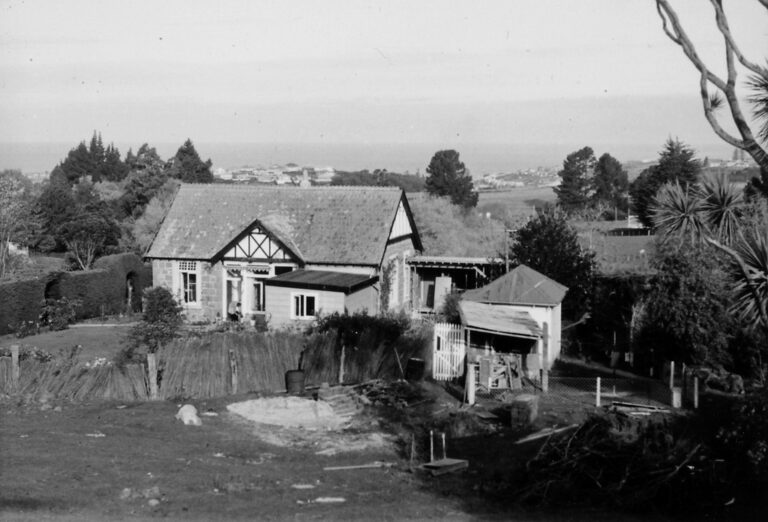
Ashburn Hall (as it was first known) was established by Dr Edward William Alexander and James Hume in 1882, as a humanitarian alternative to state hospital care of the day (such as public asylums like Seacliff). Named after the stream running through the estate, the original stone homestead was designed by William Henry Clayton and extended to accommodate 40 patient bedrooms and communal living areas.
From its inception, Ashburn has championed progressive, humane mental health care, drawing influence from pioneering practitioners who favoured medical and ‘moral’ treatment over mere confinement.
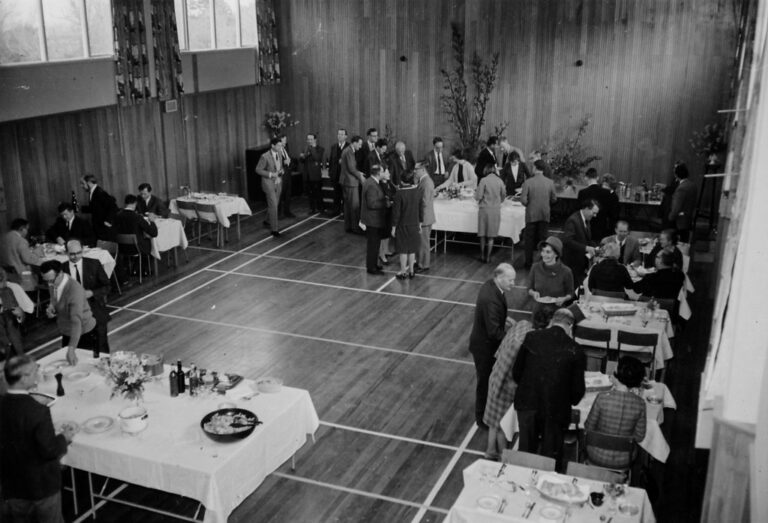
The Democratic Therapeutic Community principles were introduced to Ashburn Hall by Dr Reginald Medlicott, who was appointed medical superintendent in 1947, supported by key nursing figures such as Matron Gwen Wilson. This revolutionary approach saw patients become actively involved in their recovery and the daily running of the hospital alongside staff.






Most recently, the Clinic completed a major renovation of Alexander House in 2024, creating a dedicated space for people transitioning from hospital care to independent living. This expanded overall hospital bed capacity from 50 to 61, and represents the most significant expansion of residential capacity the Clinic has undertaken in recent times, and now serves as the base for a new therapeutic Day Programme.
Today, over 140 years later, New Zealand’s oldest private psychiatric hospital continues this tradition of compassionate, community-based care whilst maintaining its position at the forefront of psychiatric treatment and innovation.
Learn More: The Ashburn Clinic: The Place and the People by Cameron Duder (2007) – available from Ashburn Clinic and the Dunedin Public Library.